

Continuing Education for Tax Professionals: Why Enrolled Agent, CPA, and Tax Preparer Training Matters
Tax laws change. IRS procedures evolve. New legislation creates opportunities, responsibilities, and sometimes unexpected challenges for taxpayers. For tax professionals, staying informed is an essential part of maintaining professional competency and providing knowledgeable service.
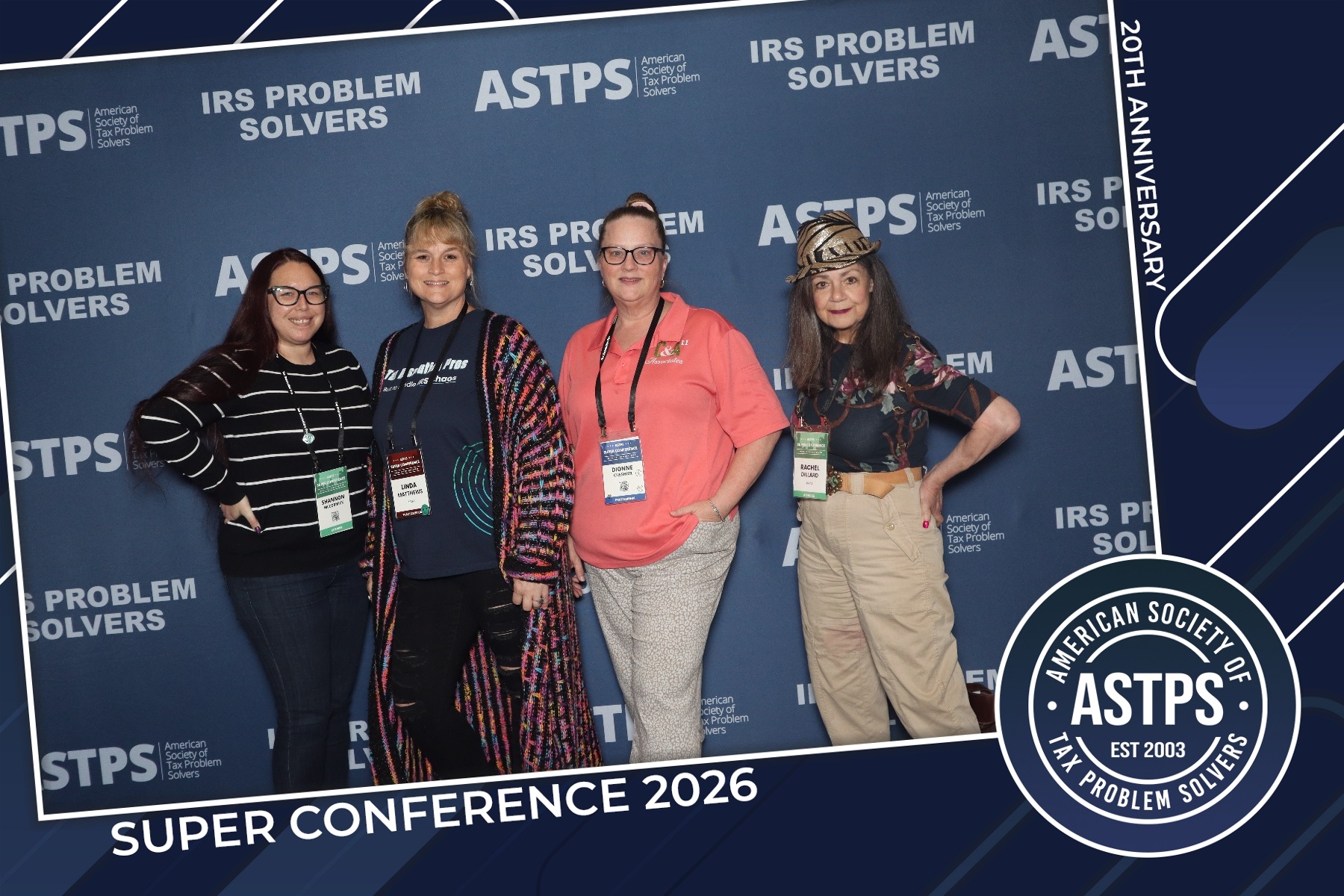
At C&A Associates and Cheshier Tax Resolution, we believe professional education is more than a licensing requirement. It is an investment in the individuals, families, and businesses who trust us with their tax matters. Our team participates in professional development through a number of educational platforms including ASTPS, NAEA, and the National Tax Practice Institute (NTPI).
Continuing Education Requirements for Enrolled Agents
An Enrolled Agent (EA) is a federally authorized tax professional with unlimited rights to represent taxpayers before the IRS. To maintain enrollment, EAs generally must complete:
- 72 hours of IRS-approved continuing education every three-year enrollment cycle.
- At least 16 hours of continuing education each year.
- At least two hours of ethics education each year.
Courses may address tax law updates, IRS collections, examinations, appeals, taxpayer representation, and professional ethics. These requirements help EAs maintain current knowledge of federal tax administration.
Source: IRS — Maintain Your Enrolled Agent Status
Continuing Professional Education Requirements for Texas CPAs
Certified Public Accountants (CPAs) are licensed at the state level. Texas actively licensed CPAs generally must complete:
- 120 continuing professional education (CPE) credits during each rolling three-year period.
- At least 20 CPE credits annually.
- A four-credit, board-approved ethics course every two years, subject to applicable rules and exemptions.
Qualifying courses can cover taxation, accounting, auditing, financial reporting, professional standards, and other relevant subjects. The requirements help professionals stay current as rules and expectations evolve.
Source: Texas State Board of Public Accountancy
What About Tax Preparers Who Are Not CPAs or Enrolled Agents?
Not every paid tax return preparer holds an EA or CPA credential. Paid federal preparers generally must obtain a valid Preparer Tax Identification Number (PTIN), but there is no universal federal continuing education requirement for all noncredentialed preparers.
The IRS offers the voluntary Annual Filing Season Program (AFSP). Most participants complete 18 hours of education: six hours of Annual Federal Tax Refresher training with a comprehension test, ten hours of federal tax law, and two hours of ethics. Some qualifying preparers have reduced requirements. An AFSP Record of Completion is not equivalent to an EA or CPA credential.
Source: IRS — Annual Filing Season Program
Going Beyond the Minimum: Our Commitment to Professional Development
Meeting required education hours is important, but specialized expertise often calls for additional training. Our team invests in learning opportunities relevant to tax preparation, compliance, IRS representation, and complex tax resolution matters.
American Society of Tax Problem Solvers (ASTPS)
The American Society of Tax Problem Solvers (ASTPS) provides specialized education for practitioners representing taxpayers with IRS problems. Programs cover Offers in Compromise, installment agreements, IRS liens and levies, penalty abatement, appeals, transcripts, and case management.
Understanding IRS collection actions is one example of why ongoing procedural education matters: a taxpayer’s available options can depend on the type of notice, timing, and collection status.
Dionne Cheshier holds the Certified Tax Resolution Specialist (CTRS) designation, reflecting additional tax resolution-focused professional training.
National Tax Practice Institute (NTPI)
The National Tax Practice Institute (NTPI) offers advanced education in representation before the IRS, including examinations, collections, appeals, statutes of limitations, and representation procedures. Professionals completing all three levels of the curriculum earn recognition as NTPI Fellows.
Dionne Cheshier is an NTPI Fellow. Learn more about our team and professional backgrounds.
National Association of Enrolled Agents (NAEA)
The National Association of Enrolled Agents (NAEA) supports EAs through conferences, webinars, professional resources, and educational programs. Participation helps practitioners stay informed about federal tax developments, representation practices, and taxpayer advocacy.
Professional learning also creates opportunities to exchange insights with experienced practitioners and bring that knowledge back to the clients we serve.
How Continuing Education Benefits Taxpayers
Greater Awareness of Tax Law Changes
New tax legislation can affect credits, deductions, reporting obligations, and planning opportunities. Continuing education helps professionals recognize developments relevant to clients.
Stronger Understanding of IRS Procedures
IRS examinations and collection matters involve detailed rules, deadlines, and administrative processes. Specialized training helps practitioners understand taxpayer rights and available procedures.
For example, understanding how the IRS handles unfiled returns is essential when representing taxpayers with filing compliance issues. Our article, IRS Substitute for Return: What Happens When the IRS Files for You?, explains how these assessments work, why deductions may be missing, and what taxpayers should know about their options.
More Informed Planning and Ethical Practice
Regular training can help professionals evaluate relevant planning considerations, communicate potential tax consequences, and reinforce professional responsibilities such as confidentiality, accurate reporting, and appropriate representation.
Access to Specialized Knowledge
Conferences and advanced programs offer opportunities to learn from instructors and practitioners who work with complex tax matters. Continuing education does not guarantee any particular outcome, but it is an important component of professional competency.
Education Is an Investment in the Clients We Serve
Every taxpayer’s circumstances are different. Some need accurate return preparation or business accounting support; others face IRS notices, collection actions, or unresolved tax liabilities. Our commitment to ongoing education reflects the responsibility we have to serve each client thoughtfully.
Learn more about who we are and our approach to client service. Whether you need tax preparation, planning, or IRS representation, contact our team to discuss your situation.
Frequently Asked Questions
How many continuing education hours does an Enrolled Agent need?
Generally, 72 hours every three years, with at least 16 hours annually and two hours of ethics each year.
Are Texas CPAs required to complete continuing education?
Generally, yes: 120 credits over a rolling three-year period, at least 20 annually, and a qualifying four-credit ethics course every two years, subject to applicable rules.
Do all tax preparers have continuing education requirements?
No. Requirements vary by credential and program. The IRS offers a voluntary Annual Filing Season Program for eligible noncredentialed preparers.
What is an NTPI Fellow?
A professional who has completed the three levels of the National Tax Practice Institute’s advanced taxpayer representation curriculum
Why does continuing education matter to taxpayers?
It helps professionals stay informed about changing tax laws, IRS procedures, ethical obligations, and relevant areas of practice.
Stay Connected!
Stay connected with Cheshier Tax Resolution for updates on community involvement, tax law changes, and insights that help taxpayers stay compliant and informed – we invite you to subscribe to our monthly newsletter.
Our newsletter delivers:
- Updates on tax law changes
- Insights from real resolution cases
- Proactive planning strategies
- Important filing deadlines and compliance reminders
- Company announcements and celebrations